A tragic medical case has served as a severe warning to parents and health officials worldwide about the invisible dangers of wildlife encounters. An 11-year-old Canadian boy has tragically passed away after contracting a fatal viral infection from a wild animal. The newly published medical report confirming this heartbreaking bat rabies death has sparked intense global discussion on why immediate medical intervention is absolutely non-negotiable after any direct contact with bats, even if there are no visible bite marks or scratches.
For families here in the Philippines, where fruit bats and insect-eating bats are incredibly common in both rural provinces and urban barangays, this case highlights a critical blind spot in emergency first aid and wildlife safety.
Read Also-PAGASA Tracks Developing Storm That Could Become the Next Super Typhoon Philippines
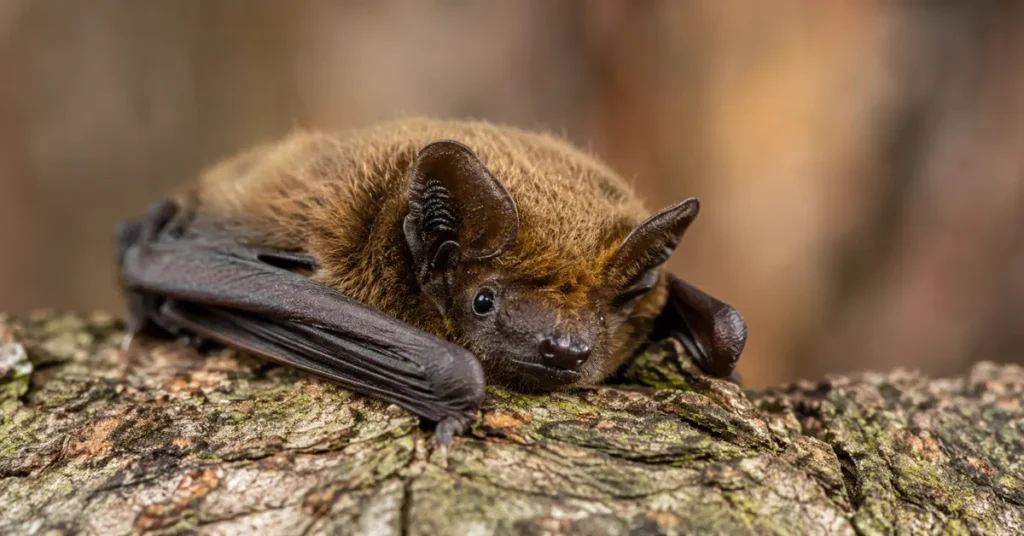
The Tragic Timeline of the Ontario Incident
The details of the case were officially published this week in the Canadian Medical Association Journal, documenting an incident that began during a family trip to a cottage in Ontario. The young boy was sleeping peacefully when he suddenly woke up to find a wild bat resting directly on his nose and mouth. The child instinctively swatted the mammal away, and his father managed to trap it inside a cooking pot before releasing it into the wild outside.
Because the parents examined the boy and found no visible punctures, blood, or open scratches, they assumed he was completely fine and did not seek immediate medical care.
Unfortunately, this decision led to a devastating outcome:
- Day 19: After a nearly three-week incubation period, the boy began experiencing severe facial numbness and sudden swelling.
- Misdiagnosis: The family sought emergency care, but doctors initially misdiagnosed the symptoms as Bell’s palsy (temporary facial paralysis) and prescribed basic antiviral medication.
- Worsening Symptoms: As his condition rapidly deteriorated, the boy developed a high fever of 39°C, extreme difficulty swallowing, severe confusion, and intense visual hallucinations.
- The Verdict: Medical experts at the University of Manitoba strongly suspected the worst. Lab tests officially confirmed the presence of a specific bat rabies virus variant. Despite aggressive intensive care unit (ICU) interventions, the young boy passed away just 17 days after being admitted to the hospital.
Read Also-Government Service Insurance System Expands Loan Relief Program for State Workers
Crucial Lessons for the Philippines to Prevent a Bat Rabies Death
While rabies cases from bats are statistically rare in Canada with only 28 recorded human deaths since 1924 the situation demands high vigilance in the Philippines. In our country, local barangays are highly accustomed to seeing bats roosting under roof awnings, inside abandoned structures, or flying near fruit trees at dusk.
To ensure your family is fully protected against a preventable bat rabies death, health department guidelines emphasize two critical rules:
1. Bat Teeth Are Microscopic and Often Painless
Unlike a stray dog or cat attack that leaves an obvious, bleeding wound, a bat bite or scratch can be completely invisible to the naked eye. Their teeth and claws are incredibly sharp, small, and fine. A bat can easily scratch or bite a sleeping child or adult without waking them up or leaving a trace of blood. You cannot rely on a visual check to determine if an infection occurred.
2. Immediate Post-Exposure Prophylaxis (PEP) is Mandatory
The golden rule of rabies management is that any direct, unprotected physical contact with a bat must be treated as a confirmed exposure. You must seek immediate medical attention at an established Animal Bite Center to receive Post-Exposure Prophylaxis (PEP) a series of highly effective vaccines. Rabies has a 100% mortality rate once physical symptoms begin showing; however, it is 100% preventable if the vaccine series is started immediately after the encounter.
Read Also- MSI 2026 Schedule, Bracket, and Standings: Everything Pinoy LoL Fans Need to Know
Frequently Asked Questions (FAQs)
Bat teeth and claws are so incredibly tiny and sharp that they can easily pierce the skin and transfer infected saliva without leaving a noticeable wound or drawing blood.
The very first symptoms appeared 19 days after the encounter, starting with facial numbness, localized swelling, and weakness on one side of his face.
No. Once clinical symptoms like difficulty swallowing, fever, or hallucinations develop, the rabies virus is almost always 100% fatal.
You must clean the area thoroughly with soap and water and rush to the nearest healthcare clinic or animal bite center for immediate preventive vaccines (PEP).
Ideally, animal control should safely capture the animal for testing. Releasing it meant health officials could not test the animal immediately, delaying a proper diagnosis.