Monitoring severe weather is a critical part of daily life in the Philippines, especially when a new tropical cyclone enters our boundaries. If you are actively looking for the latest PAGASA Bavi tracking and updates, it is highly important to rely strictly on official state weather bulletins. Tropical systems can shift their trajectory without warning, making real-time information your strongest defense against sudden heavy downpours and destructive winds.
Here is a comprehensive overview of how to monitor this weather disturbance, its potential impact on local monsoons, and the necessary precautions every Filipino household should take right now.
Read Also- The Ultimate OPPO 7.7 Sale Guide: Up to ₱10,000 Off and Exclusive MLBB Freebies
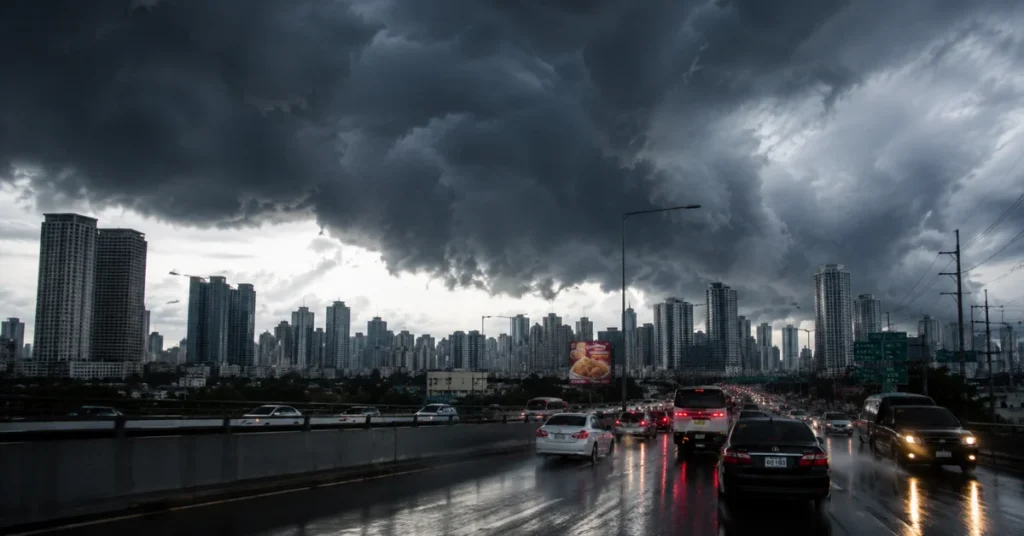
Official PAGASA Bavi Tracking and Updates: Current Path
State meteorologists work around the clock to calculate the exact coordinates and wind intensity of approaching storms. Whenever a cyclone crosses into the Philippine Area of Responsibility (PAR), the agency immediately begins issuing severe weather bulletins.
To stay completely safe, you must monitor the Tropical Cyclone Wind Signals (TCWS) raised in your specific province. These signal warnings dictate the suspension of sea travel, cancellation of face-to-face classes, and the mobilization of local disaster risk reduction management councils. Always verify the storm’s current location through the official website or verified social media channels of the Philippine Atmospheric, Geophysical and Astronomical Services Administration, rather than relying on unverified forwarded messages.
Watch Out for the Enhanced Habagat
One crucial detail many residents overlook is that a typhoon does not need to make direct landfall to cause massive disruptions. Large weather systems often pull in strong winds from the ocean, significantly enhancing the Southwest Monsoon, locally known as the Habagat.
When the monsoon is enhanced, the western sections of Luzon and the Visayas typically experience prolonged, torrential rains. This persistent downpour saturates the soil quickly. If you live near riverbanks, in low-lying coastal municipalities, or along mountainous terrain, you must remain highly vigilant. Flash floods and rain-induced landslides frequently occur during these monsoon surges, even if the center of the cyclone is hundreds of kilometers offshore.
Read Also- CHED Scholarship 2026: Complete Guide to the Bagong Pilipinas Merit Program
Essential Safety Reminders for Every Household
Preparedness is always the key to surviving the country’s grueling typhoon season. Do not wait for the wind to howl before taking action.
- Prepare an Emergency Kit: Double-check your household “go-bag.” It must contain enough non-perishable food, clean drinking water, flashlights, extra batteries, and basic first aid supplies to last for at least three days.
- Protect Your Documents: Place all vital records, such as birth certificates, land titles, and medical cards, inside sealed, waterproof plastic envelopes.
- Listen to Local Authorities: If your barangay officials order a preemptive evacuation, follow their instructions immediately. Moving to a designated evacuation center early is vastly safer than attempting a rescue mission in the middle of a flooded street.
Stay dry, keep your mobile devices fully charged, and always prioritize your family’s safety during severe weather events.
Read Also- Sara Duterte Impeachment Trial: Everything You Need to Know for July 6