The proposed 32 Million Mosquito Release Project may sound like something from a science-fiction movie, but it is actually part of a public-health strategy aimed at reducing mosquito-borne diseases. Google is reportedly seeking approval from US regulators to release up to 32 million specially treated mosquitoes across selected areas in California and Florida over the next two years.
At first glance, releasing millions of mosquitoes seems counterintuitive. However, the goal is not to increase mosquito populations. Instead, researchers hope to reduce the number of disease-carrying insects and lower the risk of illnesses transmitted through mosquito bites. If regulators approve the plan, it could become one of the largest mosquito-control experiments ever conducted in the United States.
Quick Overview
- Google is seeking approval for a 32 Million Mosquito Release Project.
- The initiative would take place in parts of California and Florida.
- Specially treated mosquitoes would be released over two years.
- The goal is to reduce disease transmission.
- Federal regulators are currently reviewing the proposal.
The $500 Million Tokenmaxxing Crisis Is Becoming A Wake-Up Call For Corporate AI Spending
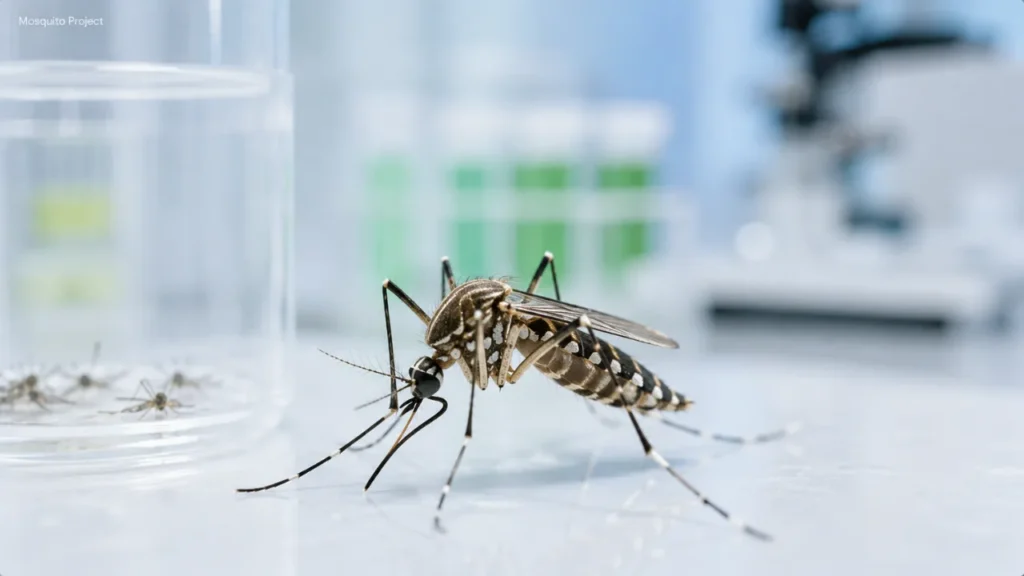
Why The 32 Million Mosquito Release Project Is Being Proposed
Mosquitoes remain one of the deadliest animals on Earth because they spread diseases such as dengue, malaria, Zika virus, and West Nile virus.
Traditionally, governments attempt to control outbreaks by reducing mosquito populations through spraying programs and habitat management. However, scientists continue exploring new methods that target disease transmission more effectively.
The 32 Million Mosquito Release Project takes a different approach. According to reports, the mosquitoes involved have been treated in a way that prevents them from spreading diseases, helping disrupt the breeding cycle of harmful populations over time.
How The 32 Million Mosquito Release Project Would Work
Rather than releasing all insects at once, researchers plan to distribute mosquitoes gradually over a two-year period.
This slower rollout allows scientists to monitor outcomes, evaluate environmental impacts, and adjust strategies if necessary. Furthermore, authorities can track whether the treated mosquitoes successfully reduce disease-carrying populations in targeted communities.
Key Details Of The Proposal
| Category | Details |
| Project Name | 32 Million Mosquito Release Project |
| Target Locations | California and Florida |
| Timeline | Two Years |
| Goal | Reduce disease transmission |
| Status | Awaiting regulatory approval |
Because the project remains under review, no mosquito releases have started yet.
Why California And Florida Were Selected
Reports indicate that the proposed release areas include regions with higher levels of mosquito-borne disease activity.
California and Florida both face recurring mosquito-related public health concerns due to climate conditions that support mosquito breeding. As a result, researchers believe these locations could provide valuable data on whether the strategy works in real-world conditions.
Additionally, both states have large populations and established public-health monitoring systems that can help evaluate the program’s effectiveness.
Gemini Spark Rolls Out To Google AI Ultra Users With Powerful New AI Agent Features
The Science Behind The 32 Million Mosquito Release Project
The core idea focuses on reducing harmful mosquito populations rather than increasing them.
Scientists have explored several mosquito-control techniques in recent years, including genetic modification, sterile insect releases, and biological interventions. While details of Google’s proposal remain limited, reports suggest the mosquitoes have been treated so they cannot effectively contribute to disease transmission.
Potential Benefits
- Lower disease transmission rates
- Reduced mosquito-borne illness outbreaks
- Less reliance on chemical spraying
- Improved public-health outcomes
- Better long-term mosquito management
Consequently, researchers see the project as a potential complement to existing mosquito-control programs.
Regulators Will Carefully Review The Proposal
Before the 32 Million Mosquito Release Project can move forward, federal regulators must evaluate extensive safety data.
Authorities are expected to review:
- Environmental studies
- Safety assessments
- Monitoring plans
- Public-health benefits
- Risk management strategies
Only after completing that review process will regulators decide whether the project can proceed.
Why This Project Matters Beyond Mosquito Control
The proposal reflects a broader trend in technology and public health.
Increasingly, companies are using advanced data analysis, artificial intelligence, and biotechnology to address problems that traditional approaches have struggled to solve. Consequently, disease prevention efforts are becoming more targeted and science-driven.
If approved, the project could provide valuable insights into how large-scale biological interventions might help combat future disease outbreaks.
What Happens Next?
For now, the 32 Million Mosquito Release Project remains under regulatory review.
Scientists, public-health officials, and environmental experts will continue evaluating the potential benefits and risks before any mosquitoes are released. Meanwhile, researchers hope the findings could contribute to future mosquito-control strategies in the United States and beyond.
Microsoft Threatens Legal Action Against Security Researcher Over Unpatched Windows Bugs
FAQ
It is a proposed initiative that would release up to 32 million specially treated mosquitoes to help reduce disease transmission.
The proposal targets selected areas in California and Florida.
The goal is to reduce populations capable of spreading harmful diseases.
No. Federal regulators are still reviewing the proposal.
The mosquito releases would occur over a two-year period if approved.