For years, Apple has dominated consumer technology by making complex products feel simple. However, as artificial intelligence reshapes the tech industry, the company finds itself in an unfamiliar position: trying to catch up. With WWDC 2026 just around the corner, all eyes are on Siri. The virtual assistant that once helped define voice computing may now determine whether Apple can remain a leader in the AI era. Recent reports suggest Apple is preparing its most significant Siri upgrade ever, turning the assistant into a far more capable AI companion powered by advanced language models and deeper app integration.
Why Siri Matters More Than Any Other Apple Product Right Now
Apple’s AI challenge isn’t really about building another chatbot. Consumers already have access to AI tools from competitors, including OpenAI, Google, Microsoft, and Anthropic. Instead, Apple needs to prove it can make AI useful across the devices millions of people use every day.
That is where Siri becomes critical.
Unlike standalone AI apps, Siri sits at the center of the iPhone ecosystem. If Apple can transform Siri into an intelligent assistant that understands context, manages tasks across apps, and responds naturally, it could instantly place advanced AI in the hands of more than a billion users. Analysts increasingly view Siri as the foundation of Apple’s broader AI strategy rather than just another feature.
The stakes are enormous because Apple cannot rely on hardware alone forever. Consumers now expect AI experiences to improve productivity, simplify everyday tasks, and personalize technology in ways traditional software cannot.
macOS 27 Features: 5 Biggest WWDC 2026 Announcements We Expect
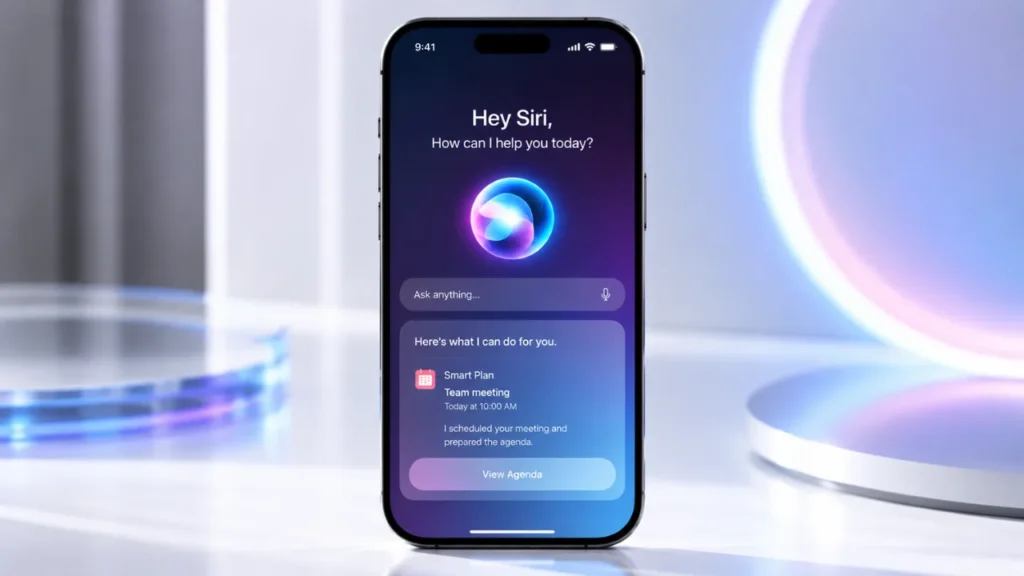
How the New Siri Could Change the iPhone Experience
Reports ahead of WWDC 2026 suggest Apple is preparing a dramatically redesigned Siri experience. The assistant could gain conversational abilities similar to modern AI chatbots while also understanding personal context, on-screen content, and user intent.
That means users may eventually be able to say things like:
- “Reschedule my dinner reservation and tell everyone I’m running late.”
- “Find the photo I took at the beach last summer and send it to my family.”
- “Compare these flight options and book the cheapest one.”
Instead of simply answering questions, Siri could begin acting on behalf of users.
Moreover, reports indicate Apple may introduce a dedicated Siri interface with persistent conversations, making interactions feel closer to ChatGPT or Gemini rather than the limited voice assistant consumers know today.
If Apple delivers on these promises, Siri could become the company’s most important software product since the App Store.
Siri Could Drive the Next iPhone Upgrade Cycle
One reason investors are paying close attention to WWDC is the potential impact on future iPhone sales.
Many smartphone upgrades have become incremental. Faster processors and slightly improved cameras no longer create the excitement they once did. AI, however, could change that equation.
Several analysts believe advanced Siri capabilities may only work on newer hardware, potentially encouraging millions of users to upgrade their devices. Some estimates suggest AI-powered features could become a major driver of iPhone demand over the next several years.
Therefore, Siri is not just an AI project. It could become a significant business opportunity for Apple.
iOS 27 Rumored Features Could Make This Apple’s Most Exciting iPhone Update In Years
The Biggest Risk Facing Apple’s AI Strategy
The problem for Apple is credibility.
The company has already faced criticism for delays involving previously announced AI features. Many consumers are now waiting to see real products instead of future promises. As a result, WWDC 2026 carries more pressure than a typical software event.
Apple’s rivals are moving quickly.
Google continues expanding Gemini across Android devices. Microsoft has integrated AI deeply into Windows and its productivity software. Meanwhile, OpenAI keeps pushing new capabilities that raise consumer expectations.
Consequently, Apple no longer has the luxury of taking small steps. A modest Siri upgrade may not be enough to convince users that the company remains competitive in AI.
Apple’s Privacy Advantage Could Become Its Secret Weapon
Despite concerns about falling behind, Apple still holds one major advantage.
Trust.
While many AI companies collect vast amounts of user data, Apple has built its reputation around privacy. The company is expected to continue emphasizing on-device processing and privacy-focused AI systems as part of its Apple Intelligence strategy.
For consumers, that distinction matters.
As AI assistants become more personal and gain access to calendars, messages, photos, and app activity, privacy concerns will likely grow. Apple may be betting that users will prefer an AI assistant that operates within stricter privacy boundaries.
If successful, that approach could help Apple differentiate itself from competitors rather than simply copying them.
Why WWDC 2026 Could Be a Turning Point
Technology companies rarely get unlimited opportunities to redefine themselves.
For Apple, WWDC 2026 appears to be one of those moments.
Reports suggest the company plans to showcase a smarter Siri, expanded Apple Intelligence features, deeper AI integration across iOS 27, and a broader vision for how artificial intelligence fits into everyday life.
However, consumers and investors are looking for more than presentations. They want proof that Apple can deliver a practical AI experience that feels distinctly Apple.
If Siri finally evolves into the intelligent assistant users have been waiting for, Apple could reestablish itself as a major force in AI. If not, the company risks spending another year explaining why the future has not arrived yet.
Apple Siri AI Settlement Could Put Money Back Into Millions Of iPhone Users’ Wallets
Conclusion
The AI race is no longer about who launches the flashiest chatbot. It is about who can bring artificial intelligence into everyday life in a way that feels useful, trustworthy, and effortless.
That is why Siri matters so much.
Apple already has the devices, the ecosystem, and the user base. What it needs now is an AI assistant that lives up to those advantages. WWDC 2026 may reveal whether Siri is finally ready for that role.
If Apple succeeds, Siri could become the company’s biggest competitive advantage in years. If it falls short, competitors may continue widening the gap in one of the most important technology battles of the decade.
FAQs
Siri serves as Apple’s primary AI interface across the iPhone, iPad, Mac, and other devices. A smarter Siri could bring advanced AI features directly to millions of users.
Reports suggest Siri may gain conversational AI, personal context awareness, app-to-app actions, on-screen understanding, and deeper integration with Apple Intelligence.
Some analysts believe advanced Siri features may work best on newer devices with more powerful AI hardware, potentially encouraging upgrades.
Current reports indicate Apple is working to make Siri more conversational and capable, bringing it closer to modern AI assistants like ChatGPT and Gemini.
Many analysts believe Siri could become the centerpiece of Apple’s AI strategy. Success would strengthen Apple’s position, while failure could leave it trailing competitors