For nearly two decades, social media has followed the same basic formula.
You post content. An algorithm decides who sees it. Creators compete for attention. Platforms compete for advertising dollars. And users spend more time scrolling than connecting.
That’s why something interesting is happening beneath the surface of the social media industry.
A growing wave of startups is building apps that look nothing like Instagram, TikTok, Facebook, or X. Instead of chasing viral fame, these platforms focus on smaller communities, private connections, shared interests, and personal experiences. The trend suggests that many users particularly younger ones may be looking for something different from the endless feeds that have dominated social media for years.
The question isn’t whether these apps will replace Instagram.
It’s whether social networking itself is starting to evolve.
Hackers Hijacked Instagram Accounts By Exploiting Meta’s AI Support Chatbot
People Are Getting Tired of Performing for Algorithms
One of the biggest themes connecting many of these newer social apps is a rejection of traditional social media incentives.
For years, platforms encouraged users to optimize for likes, followers, engagement, and visibility.
That approach created massive businesses.
It also created fatigue.
Many users no longer want every photo, opinion, hobby, or life update judged by an algorithm. Instead, they’re seeking smaller spaces where interactions feel more personal.
Several newer apps are embracing that shift by prioritizing close relationships over audience growth. Some focus on private photo sharing, while others center around hobbies, books, music, travel recommendations, or local communities.
In other words, social media is becoming social again.
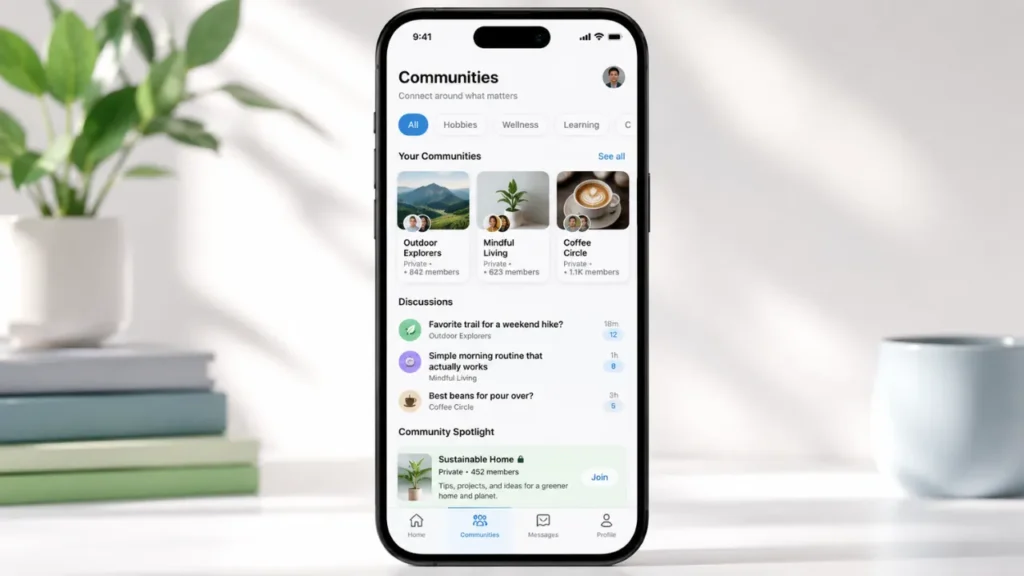
The New Generation of Apps Is Built Around Interests, Not Influencers
One reason Instagram became so successful was its ability to combine personal updates with discovery.
However, many of today’s emerging social platforms are taking a different route.
Instead of asking users to follow influencers, they’re helping users connect through shared interests.
Take the growing category of recommendation-based apps.
Some allow users to organize favorite places, local discoveries, and travel recommendations into curated maps. Others focus on books, movies, music, fashion, or creative inspiration.
The common theme is simple:
People increasingly trust recommendations from friends and niche communities more than recommendations generated by algorithms.
That shift may sound subtle, but it could reshape how online communities develop over the next decade.
Social Networks Are Becoming Smaller and More Personal
The most surprising thing about many of these apps is how intentionally limited they feel.
For years, technology companies competed to create the biggest possible audiences.
Many newer platforms are doing the opposite.
Apps like Retro emphasize private photo sharing among close friends rather than broadcasting updates to thousands of followers. Others focus on keeping digital memories organized instead of maximizing engagement.
That approach aligns with changing user behavior.
Younger users increasingly maintain different social circles across multiple apps rather than relying on one giant network.
One platform might be for close friends.
Another for music discovery.
Another for books.
Another for local recommendations.
The future of social media may look less like a single destination and more like a collection of specialized communities.
Why Music, Books, and Local Discovery Are Becoming Social Again
Traditional social networks often struggle when they try to build communities around specific interests.
Many users discover content but rarely build meaningful relationships around it.
Newer apps are attempting to change that.
Music-focused platforms allow friends to share listening habits and react to each other’s playlists. Book communities combine reading trackers with discussions and virtual clubs. Location-based apps help users exchange recommendations for restaurants, bookstores, nightlife, and hidden local gems.
These experiences feel less like content consumption and more like participation.
That’s an important distinction.
The most successful social products of the next decade may not be the ones that keep people scrolling.
They may be the ones that help people connect around real-world interests.
WhatsApp AI Profile Photo Feature Could Let Users Create AI Images Inside The App
AI Could Push More Users Toward Smaller Communities
Artificial intelligence is also influencing the social media landscape in unexpected ways.
As AI-generated content becomes increasingly common, some users have started looking for spaces that feel more authentic and human.
Several emerging platforms emphasize personal taste, trusted recommendations, and private sharing rather than viral content.
That trend could accelerate as AI-generated posts, images, and videos become harder to distinguish from real content.
Ironically, the rise of artificial intelligence may increase the value of genuine human interaction.
The more automated the internet becomes, the more people may seek communities that feel real.
The Future May Not Belong to One Giant Platform
History suggests that social media rarely stays the same for long.
Facebook replaced MySpace.
Instagram transformed photo sharing.
TikTok changed short-form video.
Now another transition may be beginning.
The next generation of social apps isn’t trying to build a better Instagram.
Instead, many are abandoning the idea that one platform should do everything.
Some focus on memories.
Others focus on books.
Others focus on maps, music, fashion, creativity, or private communities.
That fragmentation may actually be what users want.
Not a larger social network.
A more relevant one.
Conclusion
For years, social media companies competed to capture as much attention as possible.
The newest generation of apps appears to be competing for something else: relevance.
Rather than building bigger audiences, they’re building smaller communities.
Rather than maximizing engagement, they’re emphasizing shared interests.
And rather than chasing viral trends, they’re focusing on personal connections.
Instagram, TikTok, and other major platforms aren’t disappearing anytime soon.
But the future of social networking may not be about finding the next giant platform.
It may be about finding the right community.
How to Turn Off Instagram New Instants Feature and Stop Photos From Sharing Automatically
FAQs
Many users want more personal, interest-based experiences instead of large algorithm-driven feeds focused on engagement and creators.
Apps focused on books, music, local recommendations, private photo sharing, creative inspiration, and niche communities are gaining attention.
Not necessarily. Most serve different purposes and often complement existing social networks rather than replacing them.
Many younger users are more willing to experiment with new platforms and build communities outside established social networks.
One major trend is the move toward smaller, more focused communities built around interests, friendships, and personal recommendations.