A severe weather system is currently triggering extensive alerts across the country, creating a high-stakes scenario for millions of residents. A dangerous combination of record-breaking temperatures and volatile atmospheric conditions has put multiple states on high alert. If you are tracking the latest severe thunderstorm watch updates, understanding the difference between these alerts and taking immediate precautions is critical for protecting your home and family this week.
Read Also-Venezuela Earthquakes Soccer Player Tragedy: Lucas Trejo Loses Family in Coastal Disaster
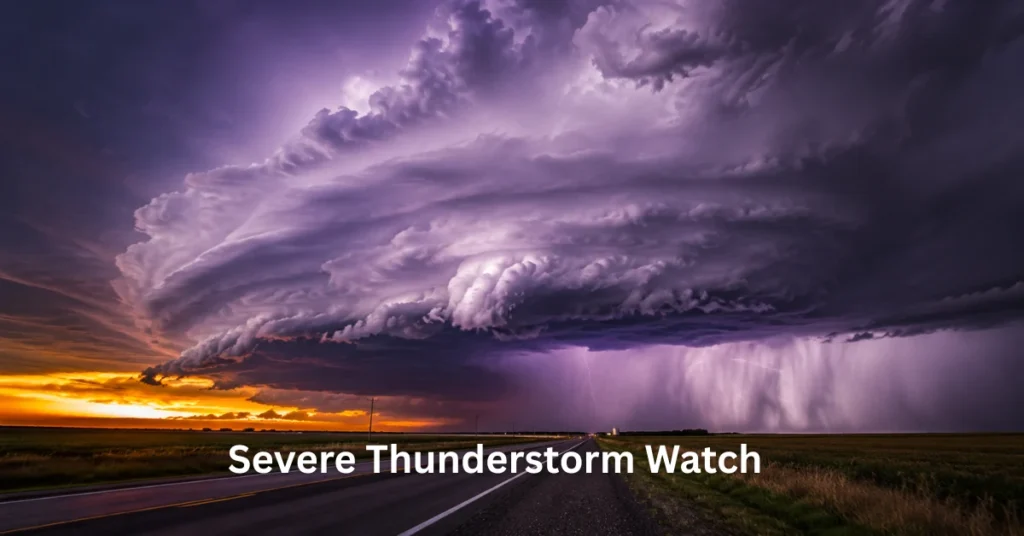
Destructive Winds and Hail Threaten the Midwest
The National Weather Service and the Storm Prediction Center have placed large portions of the Upper Midwest and Northern Plains under an enhanced risk for severe weather. Major population centers, including Minneapolis, are actively navigating fast-moving storm fronts capable of producing significant damage.
Meteorologists warn that these supercell storms carry the potential for destructive straight-line winds exceeding 80 miles per hour, which can easily down mature trees and compromise power grids. Additionally, atmospheric instability is highly favorable for the development of large hail, with stones measuring up to two inches in diameter. Due to the spinning nature of these storms, isolated tornado tracking is also underway across northern corridors, forcing local authorities to activate emergency sirens.
When a localized severe thunderstorm watch is officially issued for your county, it indicates that environmental conditions are ripe for severe development. If the alert is upgraded to a warning, it means dangerous weather has been detected by radar or spotted by storm spotters, requiring residents to move indoors immediately.
Record Heat Waves Fueling Atmospheric Instability
The catalyst behind these explosive summer storms is a massive, suffocating heat wave settling over a vast portion of the United States. Extreme heat warnings, heat advisories, and extreme heat watches are currently blanketed across 31 states, directly impacting over 50 million people.
Stifling humidity levels are pushing the heat index the temperature it actually feels like to the human body to dangerous levels between 105°F and 115°F. This oppressive thermal energy acts as high-octane fuel for developing storm clouds. As cool marine air collides with this extreme heat dome, it triggers rapid updrafts that quickly organize into severe squall lines. The intensity of the heat has already forced municipal closures, strained power infrastructures, and prompted the opening of public cooling shelters across multiple states.
Read Also-Big rklb Move: Rocket Lab Buys Iridium in Massive $8 Billion Deal
Emergency Preparedness and Safety Protocols
Managing your safety during a simultaneous heat wave and storm threat requires careful planning, especially if regional power grids fail. Taking proactive steps before the storm hits can prevent heat-related illnesses and protect you from flying debris:
- Keep emergency cellular devices, backup power banks, and weather radios completely charged to ensure you receive automated push alerts if a warning is issued for your immediate vicinity.
- Identify a sturdy interior room on the lowest floor of your home, completely away from windows and exterior walls, to serve as your primary shelter space.
- Maintain a dedicated supply of clean bottled water in your shelter area, as staying hydrated is essential to combating rising indoor temperatures if your air conditioning fails during a power outage.
Frequently Asked Questions (FAQs)
A watch means that atmospheric conditions are favorable for the development of severe storms in your area, while a warning means a severe storm is actively occurring or imminent, requiring immediate shelter.
The active storm fronts are capable of generating destructive winds over 80 miles per hour, large hail up to two inches in diameter, and isolated, fast-moving tornadoes.
Stifling heat advisories and extreme heat warnings are currently active across 31 states, creating dangerous conditions for more than 50 million residents.
You should immediately head to an interior room, hallway, or closet on the lowest level of a sturdy building, making sure to stay completely away from glass windows and exterior doors.
High temperatures and heavy humidity create significant instability in the lower atmosphere, providing immense thermal energy that fuels rapid storm cloud development when cold fronts collide with the heat dome.