Nvidia’s vision for AI-powered personal computers is finally taking shape. However, one detail is becoming impossible to ignore: the cost.
At Computex 2026, Nvidia introduced its RTX Spark platform, a new generation of AI-focused PCs designed for local AI development, agent-based computing, and advanced machine learning workloads. While the hardware promises remarkable performance, early pricing estimates suggest these machines could sit far beyond the reach of most consumers.
For developers and AI enthusiasts, that may be acceptable. For mainstream buyers, it could be a much harder sell.
The Nvidia RTX Spark Era Begins With Microsoft’s Most Ambitious Surface Laptop Yet
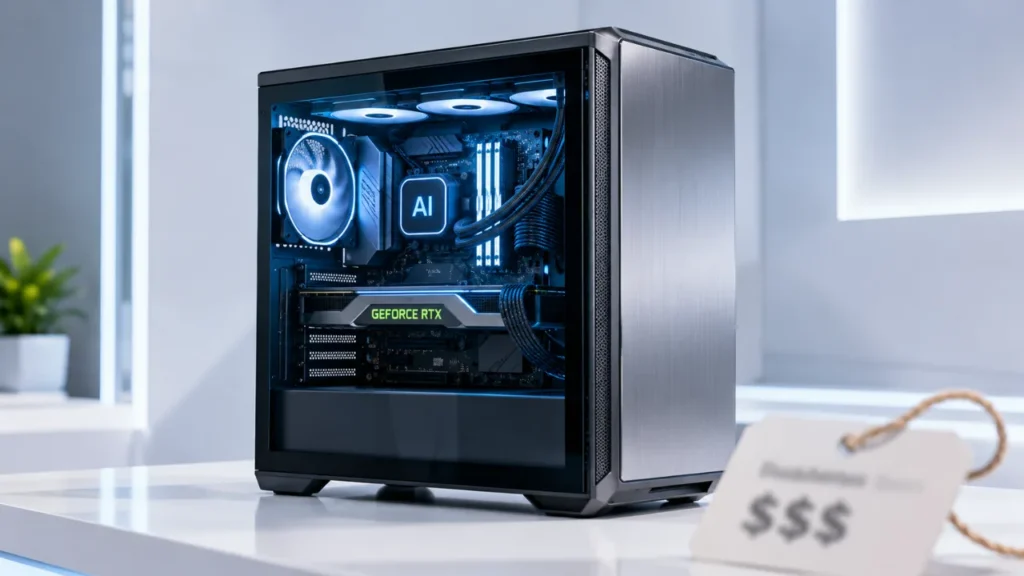
Why The Price of Nvidia RTX Spark PC Is Raising Eyebrows
Nvidia has positioned RTX Spark as something entirely different from a traditional laptop.
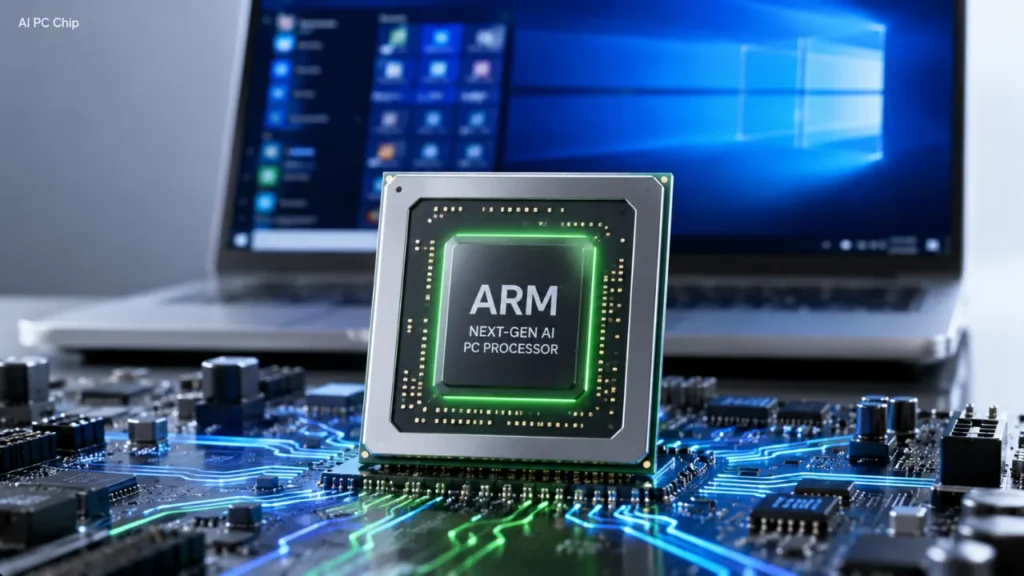
The platform combines powerful Arm-based processors, dedicated AI acceleration, and high-end graphics capabilities into systems built specifically for the AI era. Major PC makers including Dell, Asus, MSI, HP, Lenovo, and Microsoft have already committed to launching RTX Spark devices later this year.
However, neither Nvidia nor its hardware partners have officially revealed pricing.
That hasn’t stopped industry estimates from circulating.
According to information shared with PCWorld during Computex 2026, systems powered by Nvidia’s flagship N1X processor could start around $2,500. Some analyst projections place entry-level N1X configurations even higher, potentially approaching $2,900. Meanwhile, systems using the lower-tier N1 chip could begin around $2,000.
For many buyers, those numbers are difficult to ignore.
What Makes RTX Spark PCs So Expensive?
The answer lies in the hardware.
Nvidia’s flagship RTX Spark processor packs 20 CPU cores and more than 6,000 CUDA graphics cores into a single chip. Unlike conventional laptops, these systems are designed to run large AI models locally rather than relying entirely on cloud services.
Expected RTX Spark Pricing
| Model Type | Estimated Starting Price |
| Nvidia N1 PC | Around $2,000 |
| Nvidia N1X PC | Around $2,500 |
| Analyst Estimates For N1X | Up to $2,900 |
Additionally, manufacturers are building premium hardware around these chips.
Microsoft’s upcoming Surface Laptop Ultra, for example, emphasizes thin designs, advanced cooling systems, and premium materials alongside its AI capabilities.
Consequently, buyers are paying for more than processing power alone.
Nvidia Chips for Windows PCs Could Open A $200 Billion AI Opportunity
The Price of Nvidia RTX Spark PC Reflects Nvidia’s Real Target Audience
Although Nvidia often talks about the future of AI PCs, these first-generation devices are not aimed at average consumers.
Instead, they target:
- AI developers
- Machine learning engineers
- Researchers
- Enterprise users
- Early technology adopters
That distinction matters.
Most consumers currently access AI through services such as ChatGPT, Gemini, Copilot, and Claude. They don’t necessarily need a $2,500 laptop to use those tools.
By contrast, developers who run AI models locally can potentially save money on cloud-computing costs over time. For that audience, a higher upfront investment may make more sense.
Why Nvidia May Still Find Buyers
The sticker shock is real.
However, Nvidia appears confident that demand exists.
The company believes local AI computing will become increasingly important as businesses deploy autonomous agents, AI assistants, and custom machine-learning applications. Instead of renting computing power from cloud providers, organizations may prefer running sensitive workloads directly on their own hardware.
If that trend accelerates, RTX Spark systems could become valuable productivity tools rather than luxury purchases.
Furthermore, Nvidia currently holds a strong position in AI hardware. As a result, many developers may view these machines as one of the fastest paths into local AI development.
The Biggest Question Facing RTX Spark
Performance is not the concern.
Price is.
The success of RTX Spark PCs may ultimately depend on whether Nvidia can convince buyers that local AI computing delivers enough value to justify spending $2,000 to $3,000 on a laptop or desktop.
Historically, new computing categories launch at premium prices before gradually becoming more affordable. The first RTX Spark systems could follow a similar pattern.
Nevertheless, the initial generation appears destined to remain a product for professionals and enthusiasts rather than the mass market.
Nvidia RTX Spark Super Chip Launches To Power The Next Generation Of AI Agent PCs
Final Thoughts
The Price of Nvidia RTX Spark PC may be the biggest obstacle standing between Nvidia’s AI ambitions and mainstream adoption.
The technology looks impressive. The performance claims are ambitious. The vision for AI-native computing is compelling.
Yet consumers often make decisions based on affordability, not potential.
For developers, enterprises, and early adopters, RTX Spark may represent the future of personal computing. For everyone else, the future could remain just out of reach—at least for now.
FAQs
RTX Spark is Nvidia’s new AI-focused computing platform designed for local AI development and advanced AI workloads.
Current estimates suggest N1 models could start around $2,000, while N1X systems may begin around $2,500 to $2,900.
They primarily target developers, AI researchers, enterprise users, and early adopters.
No. Nvidia and its partners have not yet confirmed official retail pricing.
Nvidia’s hardware partners expect RTX Spark systems to arrive later in 2026.