Microsoft’s annual Build conference is usually packed with announcements aimed at software developers. This year, however, one reveal stood out because it points to a much bigger shift happening across the technology industry.
The company unveiled a new compact developer desktop powered by Nvidia’s RTX Spark platform while also announcing a series of Linux-focused improvements for Windows 11. Together, the updates send a clear message: Microsoft wants Windows developers to have easier access to AI tools, Linux workflows, and high-performance computing without leaving the Windows ecosystem.
For everyday consumers, these announcements may sound technical. But they offer an early glimpse into how the next generation of AI-powered PCs could be built.
AMD’s New Radeon RX 9070 GRE Highlights a Bigger Problem for PC Gamers
Microsoft Is Betting Big on AI-Powered Development
Artificial intelligence dominated Microsoft’s Build conference once again.
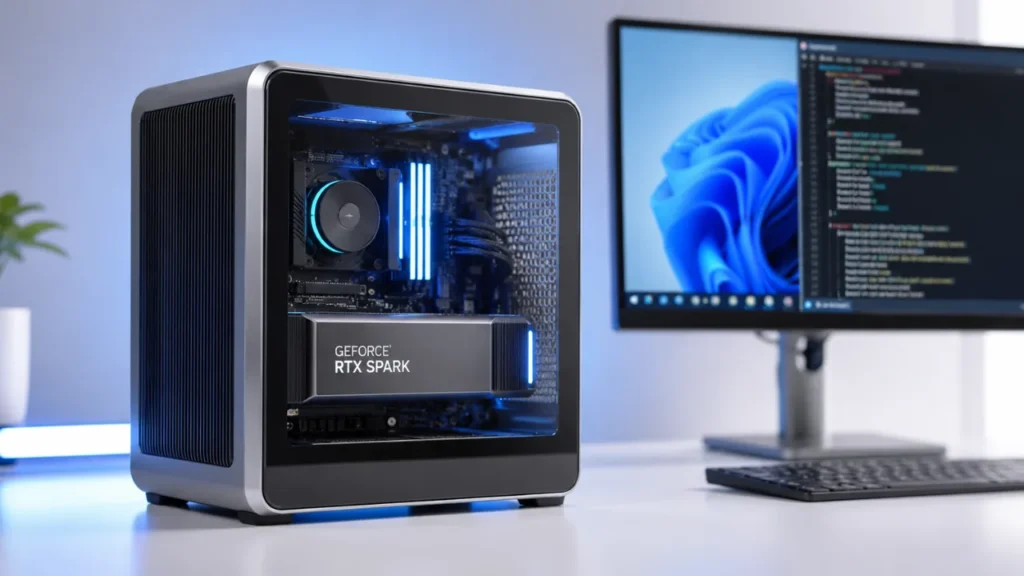
The company introduced new AI initiatives, developer tools, security systems, and agent-based technologies. However, one of the most interesting announcements was a new desktop computer called the Surface RTX Spark Dev Box.
Unlike a traditional Surface device, this machine isn’t designed for mainstream consumers.
Instead, Microsoft is targeting software developers building AI applications, machine learning models, and next-generation Windows experiences.
The compact desktop uses Nvidia’s RTX Spark architecture and supports up to 128GB of memory, positioning it as a serious workstation for AI development.
The announcement highlights how quickly AI computing requirements are growing.
Why the RTX Spark Dev Box Matters
For years, developers often needed expensive workstations or cloud infrastructure to experiment with advanced AI workloads.
Microsoft’s new developer desktop aims to bring more of that power directly to the desktop.
According to information shared during Build, the device includes a developer-focused version of Windows 11 Pro with preconfigured tools and settings designed specifically for software creation.
While Microsoft hasn’t revealed pricing yet, expectations are that it will cost significantly more than previous developer kits.
The bigger story isn’t the hardware itself.
It’s what the hardware represents.
Technology companies increasingly believe that AI workloads will become a standard part of software development, much like web development and mobile app creation did in previous decades.
The Fitbit Air Gets One Big Thing Right That Most Smartwatches Still Miss
Microsoft Is Making Windows Friendlier for Linux Users
One of the most practical announcements from Build may actually have nothing to do with AI.
Microsoft is expanding support for Linux development workflows inside Windows 11. Several updates are planned for the Windows Subsystem for Linux (WSL), a feature that allows developers to run Linux environments directly within Windows.
Among the planned improvements:
- Native Windows versions of Linux core command-line tools
- Better compatibility between Linux and Windows scripts
- Support for running WSL inside containers
- Faster developer environment setup through automated configurations
For developers, these changes could eliminate friction that has existed for years.
For Microsoft, it’s another example of how dramatically its relationship with Linux has evolved.
A company once known for competing aggressively against open-source software now sees Linux as an essential part of the Windows development ecosystem.
The Future of Windows Development Looks Different
The most interesting trend emerging from Build is that Microsoft no longer treats Windows as a standalone platform.
Instead, the company appears focused on creating an environment where developers can move seamlessly between AI tools, Linux workflows, cloud services, and Windows applications.
That’s important because software development itself is changing.
Modern developers rarely build applications for a single operating system. They work across multiple environments, programming languages, cloud platforms, and AI frameworks.
Microsoft’s latest announcements acknowledge that reality.
Rather than forcing developers to choose between Windows and Linux, the company increasingly wants them to use both.
AI Agents Bring New Security Questions
Another major theme at Build was AI agents.
Microsoft introduced new security technologies designed to control how AI-powered agents operate on Windows systems. One notable example is Microsoft Execution Containers, which create sandboxed environments that restrict what AI agents can access and modify.
That may sound technical, but it addresses a growing concern.
As AI systems become more capable, users want assurances that those tools won’t accidentally access sensitive files, personal accounts, or critical business data.
The idea is simple: AI assistants can be powerful, but they still need boundaries.
Microsoft appears determined to make those boundaries a core part of its AI strategy.
Apple Has One More Chance to Make Siri Relevant
What This Means for Consumers
Most consumers won’t be rushing out to buy a developer desktop.
However, the technologies introduced at Build will eventually influence products used by everyday Windows users.
Developer tools shape future software.
Developer hardware shapes future applications.
And AI infrastructure shapes future computing experiences.
The apps, services, and AI features arriving on consumer PCs over the next few years will likely be built using many of the technologies Microsoft showcased this week.
That’s why announcements like these matter beyond the developer community.
Why Microsoft’s Build Announcements Matter Now
The AI race is entering a new phase.
Instead of simply building smarter chatbots, companies are now investing heavily in the infrastructure that developers need to create entirely new types of software.
Microsoft’s RTX Spark Dev Box and Linux-focused Windows improvements reflect that shift.
The company isn’t just building AI products.
It’s building the foundation that developers will use to create the next generation of AI-powered experiences.
And in the technology industry, whoever builds the platform often shapes the future.
Conclusion
Microsoft’s Build 2026 announcements reveal a company focused on two major priorities: artificial intelligence and developer productivity.
The new RTX Spark Dev Box showcases Microsoft’s growing AI ambitions, while expanded Linux support demonstrates a practical effort to make Windows more attractive to modern developers.
For consumers, these may seem like niche announcements today.
But many of tomorrow’s most important apps, AI tools, and computing experiences will likely start with the technologies Microsoft introduced this week.
Siri Could Decide Whether Apple Wins or Loses the AI Race
FAQs
The Surface RTX Spark Dev Box is Microsoft’s new compact developer PC built around Nvidia’s RTX Spark platform for AI and software development.
The device targets developers building AI applications, machine learning projects, and advanced software tools.
Microsoft plans to add native Linux command-line tools, container support for WSL, and easier developer environment setup.
They are sandboxed environments designed to restrict AI agents and control access to sensitive data and system resources.
They provide insight into how Microsoft plans to support AI development and modern software creation on Windows in the coming years